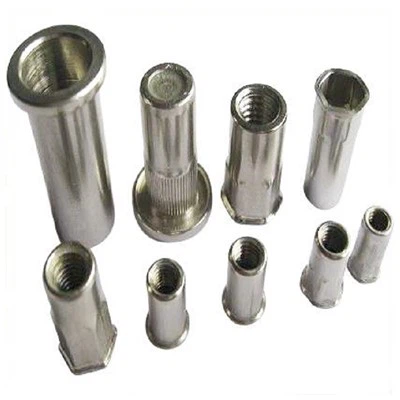
Spin forming is a highly specialized metalworking process that has gained significant traction in the manufacturing of deep drawn parts. As a supplier of deep drawn parts, I’ve witnessed firsthand the transformative impact of spin forming on the industry. In this blog, I’ll delve into the spin forming requirements for deep drawn parts, exploring the key aspects that ensure high – quality production. Deep Drawn Parts
Understanding Spin Forming and Deep Drawn Parts
Before we discuss the requirements, it’s essential to understand what spin forming and deep drawn parts are. Spin forming is a metalworking process where a flat or pre – formed metal blank is rotated at high speeds and gradually shaped into a desired form using a tool. This process is highly precise and can create complex shapes with excellent surface finish.
Deep drawn parts, on the other hand, are components that are formed by drawing a flat sheet of metal into a die cavity to create a three – dimensional shape. These parts are commonly used in various industries, including automotive, aerospace, and electronics.
Material Selection
The choice of material is the first and most crucial requirement for spin forming deep drawn parts. Different materials have different properties, and these properties can significantly affect the spin forming process.
Metal Properties
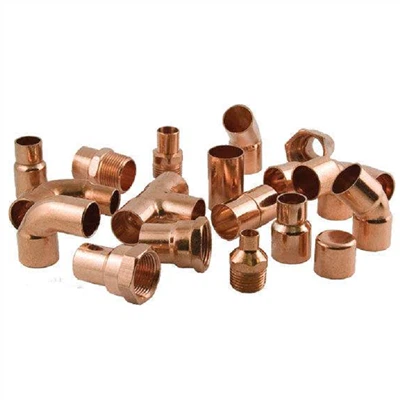
Metals like aluminum, stainless steel, and copper are commonly used in deep drawn parts. Aluminum is lightweight, corrosion – resistant, and has good ductility, making it suitable for spin forming. Stainless steel offers high strength and corrosion resistance, which is ideal for applications in harsh environments. Copper has excellent electrical and thermal conductivity, making it a popular choice for electrical components.
When selecting a material, we need to consider its formability, strength, and hardness. Formability determines how easily the material can be shaped during spin forming. A material with high formability will require less force to shape and will be less likely to crack or tear. Strength and hardness are important for ensuring the final part can withstand the intended use.
Material Thickness
The thickness of the material also plays a vital role. Thicker materials require more force to spin form, but they can provide greater strength and durability. Thinner materials are easier to form but may be more prone to wrinkling or tearing. We need to strike a balance between the desired strength of the final part and the ease of spin forming.
Equipment and Tooling
The right equipment and tooling are essential for successful spin forming of deep drawn parts.
Spin Forming Machines
There are different types of spin forming machines available, including manual, semi – automatic, and fully automatic machines. Manual machines are suitable for small – scale production or for prototyping, as they allow for more hands – on control. Semi – automatic machines combine manual and automatic functions, providing a balance between flexibility and efficiency. Fully automatic machines are ideal for large – scale production, as they can operate continuously with minimal human intervention.
Tooling Design
The tooling used in spin forming must be designed to match the specific shape and dimensions of the deep drawn part. The tooling includes the mandrel, which holds the metal blank during the spin forming process, and the roller, which applies the force to shape the metal. The mandrel should be precisely machined to ensure the accuracy of the final part. The roller should have the appropriate shape and hardness to apply the right amount of force without damaging the metal.
Process Parameters
Several process parameters need to be carefully controlled during spin forming to ensure the quality of the deep drawn parts.
Rotational Speed
The rotational speed of the spin forming machine is a critical parameter. A higher rotational speed can increase the efficiency of the process, but it may also cause the metal to overheat or deform. A lower rotational speed allows for more precise control but may increase the production time. We need to find the optimal rotational speed based on the material, thickness, and shape of the part.
Feed Rate
The feed rate of the roller is another important parameter. The feed rate determines how quickly the roller moves across the metal blank during the spin forming process. A higher feed rate can speed up the production process, but it may also lead to uneven shaping or surface defects. A lower feed rate provides more accurate shaping but may increase the production time.
Force Application
The force applied by the roller is crucial for shaping the metal. Too much force can cause the metal to crack or tear, while too little force may result in an incomplete shape. We need to adjust the force based on the material properties, thickness, and the desired shape of the part.
Quality Control
Quality control is an integral part of the spin forming process for deep drawn parts.
Inspection during the Process
Regular inspection during the spin forming process is necessary to detect any defects early. We use various inspection techniques, such as visual inspection, dimensional measurement, and non – destructive testing. Visual inspection can identify surface defects, such as cracks, wrinkles, or unevenness. Dimensional measurement ensures that the part meets the required specifications. Non – destructive testing, such as ultrasonic testing or X – ray inspection, can detect internal defects that may not be visible to the naked eye.
Final Inspection
After the spin forming process is complete, a final inspection is conducted to ensure the overall quality of the deep drawn part. The part is checked for its dimensions, surface finish, and mechanical properties. Any parts that do not meet the quality standards are rejected and either re – worked or discarded.
Cost – Efficiency
In addition to the technical requirements, cost – efficiency is also an important consideration for spin forming deep drawn parts.
Material Costs
As mentioned earlier, the choice of material can significantly affect the cost of production. We need to select the most cost – effective material that meets the requirements of the part. For example, if a part does not require high strength, using a less expensive material like aluminum may be a better option.
Production Time
The production time is another factor that affects the cost. By optimizing the process parameters, such as rotational speed and feed rate, we can reduce the production time and increase the efficiency of the spin forming process.
Conclusion
Spin forming is a powerful technique for manufacturing deep drawn parts, but it requires careful consideration of several factors. From material selection to quality control, each step in the process plays a crucial role in ensuring the production of high – quality deep drawn parts.
Metal Stamped Parts As a supplier of deep drawn parts, we are committed to meeting the spin forming requirements to provide our customers with the best possible products. If you are in need of high – quality deep drawn parts, we would be more than happy to discuss your requirements. Contact us to start a procurement discussion and find the perfect solution for your needs.
References
- ASM Handbook Volume 14A: Metalworking: Bulk Forming. ASM International.
- Kalpakjian, S., & Schmid, S. R. (2014). Manufacturing Engineering and Technology. Pearson.
- Dieter, G. E. (1988). Mechanical Metallurgy. McGraw – Hill.
Hangzhou Zhalihui Import And Export Co., Ltd.
We are one of the most experienced deep drawn parts manufacturers and suppliers in China, specialized in providing high quality customized products. Please feel free to buy discount deep drawn parts in stock here from our factory. Contact us for quotation.
Address: Room 2801, Building 2, Taifu Plaza, No.17, Tonghui Middle Road, Chengxiang Street, Xiaoshan, Hangzhou, Zhejiang
E-mail: Chars_1979@hotmail.com
WebSite: https://www.zhalihui.com/
