Hey there, if you’re reading this, chances are you’re a lowbed semi trailer owner or operator staring down the off-season—whether that’s winter in the Northern States where roads turn to ice and snow, or summer monsoons in regions where heavy rains make oversize loads too risky to move. I’ve been in your shoes: I run a lowbed semi trailer supply business, and every year around this time, I get a dozen calls from folks panicking about storing their trailers wrong, only to have to fix rust, flat tires, or busted wiring when peak season rolls back around. Lowbed Semi Trailer
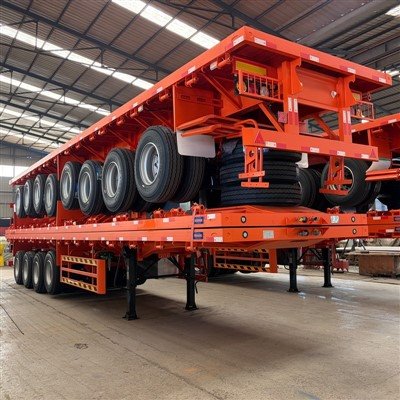
Let me cut through the noise: storing a lowbed semi trailer isn’t just parking it in a field and walking away. These aren’t your average box trailers—they’re built for moving heavy construction equipment, excavators, and bulldozers, so their undercarriage, hydraulic systems, and frame take way more abuse than other trailers. Cut corners on storage, and you’re looking at thousands in repairs before you can even hook up your first load next year. Over the last 10 years of selling and maintaining these, I’ve honed a routine that works, and I’m spilling it here—no fancy industry jargon, just real talk from someone who’s seen it all.
First off, before you even think about moving the trailer to storage, do a full walkthrough. I can’t stress this enough. Half the people I talk to skip this and wonder why their brakes seize later. You need to catch small issues now before they turn into big ones. Let’s break that down: start with the tires. Lowbeds have way larger, more heavy-duty tires than regular trailers, and they sit loaded or unloaded for months—either way, that rubber’s gonna flatten if you leave it. Grab a tire pressure gauge and check every single one, including the spare. Set them to the manufacturer’s PSI (I usually leave a sticky note on the frame with the number because I forget it too), then add 5 PSI on top of that for good measure. Also, kick each tire a little—if it sounds soft, top it off.
Next, the undercarriage. This is where all the metal sits, right above the road, so salt, dirt, and mud from the busy season are caked on. If you leave that crud on all winter, it’s gonna eat through your frame and axles. I use a pressure washer (not too high a power—you don’t wanna blast seals) with a mild degreaser to strip every inch. Get in the gaps between crossmembers, around the kingpin, and where the landing gear slides. Don’t skip the frame rails—rust on those weakens the whole trailer, and replacing a frame rail is way more expensive than a 20-minute wash.
Then there’s the hydraulic system, which is what lets you tilt the lowbed or adjust the gooseneck height. Drain the old hydraulic fluid if it’s dirty or cloudy—water in fluid freezes, and that’ll bust a line faster than anything. Refill with fresh, manufacturer-recommended fluid, and cycle the tilt function a few times to get rid of air bubbles. Also, lube every moving part here: the hinges, the piston rods, the landing gear wheels. I use a heavy-duty grease for that, not the cheap stuff from the auto parts store—it lasts through months of storage.
Once you’ve cleaned and prepped, pick the right storage spot. I’ve seen people leave trailers in open fields, and by spring, half the lights are broken, the frame’s rusted, and animals have chewed wiring. If you can, use a covered storage—like a barn, a warehouse bay, or even a heavy-duty carport big enough for a lowbed. But if you can’t afford that (I get it, storage space ain’t cheap), pick a flat, well-drained spot that’s not in a low-lying area. No puddles around the trailer—water under it means rust and mold.
Here’s a pro tip I learned the hard way: don’t just set the trailer on the ground. Use jack stands under the axles and the frame. If you leave the trailer sitting on its tires for 6 months, the weight will flatten them permanently, and you’ll have to replace all 10 (plus the spare) before you can use it. Jack stands rated for at least 10,000 lbs each—lowbeds are heavy, so cheap stands won’t cut it. Place them every 3 feet along the frame, not just under the wheels. Also, chock the wheels you’re not jacking up, so the trailer don’t roll.
Now, the little things that most people miss. Electrical systems: unplug all the lights, including the marker lights on the gooseneck. Cover the wiring connections with plastic bags or electrical tape to keep moisture out—corroded connections mean your lights won’t work, and that’s a safety nightmare when you’re hauling heavy stuff. Remove the batteries from the tractor and the trailer if you can—store them in a cool, dry place, charge them every month, and they’ll last way longer. If you can’t remove the batteries, disconnect the cables, don’t just leave them on.
Pests are another big one. Mice and rats love to nest in the insulation, wiring, and even the rubber seals of trailers. I know, gross, but it happens. Place a few mothballs around the frame, or set snap traps—just make sure they’re not where they’ll get knocked over by rain or wind. Don’t use poison, though—you’ll have dead rodents in your walls, and that’s a nightmare to clean up later.
If you live in a cold climate, you gotta do extra for the plumbing if your trailer has any water tanks (some lowbeds have them for portable toilets or equipment washing). Drain every last drop, flush with anti-freeze, and leave the valves open so air can circulate. Water expands when it freezes, and a cracked tank is way more expensive to replace than a jug of anti-freeze. For hydraulic lines, wrap them with insulation foam if you’re storing outside, just to prevent any residual fluid from freezing if temperatures drop way below zero.
I also recommend doing a quick check every 4-6 weeks when the trailer’s in storage. Pop by, make sure the jack stands are still tight, the tires (if you didn’t take them off) still have pressure, no new rust spots, no mice, and the hydraulic fluid levels are good. Even a 10-minute check saves you hours of work in the spring.
When off-season ends and you’re ready to use the trailer again, reverse the steps. Remove the jack stands, re-inflate the tires to the correct PSI, reconnect all the electricals, bleed the hydraulic system, and do a full brake check. I always tell my customers to take it easy for the first few loads—don’t haul 80,000 lbs right away; test it with a lighter load first to make sure everything’s working.
Look, I’ve sold hundreds of lowbed semi trailers over the years, and the ones that last longest are the ones their owners take care of in the off-season. Cutting corners on storage isn’t a money-saver—it’s a gamble that’ll cost you way more in repairs and downtime when you could be making money hauling loads.

If you’re in the market for a new lowbed, or you have questions about maintaining the one you already have, hit me up. We work with operators all over, and we can help you find the right storage solutions or pick a trailer that fits your needs. Don’t wait till peak season is here and you’re stuck with a broken trailer—plan ahead now, and your lowbed will be reliable for years to come.
Fence Trailer References:
- Trailer Life. (2022). Off-Season Storage Tips for Heavy-Duty Trailers.
- National Truck Equipment Association. (2021). Maintenance Guide for Lowbed Semi Trailers.
- Rubber Manufacturers Association. (2020). Tire Preservation for Heavy Commercial Vehicles.
Shandong Yuncheng Xinya Trailer Manufacturing Co., Ltd.
Shandong Yuncheng Xinya Trailer Manufacturing Co., Ltd. is one of the most experienced lowbed semi trailer manufacturers and suppliers in China, featured by quality products and good service. Please rest assured to buy CE approved lowbed semi trailer from our factory. Contact us for customized service and OEM service.
Address: No. 008, Hexie Road, Yangzhuangji Town, Yuncheng County, Heze City, Shandong Province
E-mail: fiona@xinyatrailer.com
WebSite: https://www.china-truckfactory.com/
