As a Colorbond fence supplier, I get this question every single week from homeowners, builders, and renovators browsing our showroom or calling after spotting a weathered old fence in a neighbor’s yard. It’s one of the most common concerns we hear, and it’s easy to see why: a fence is a long-term investment—most people expect it to last 15 to 30 years, and no one wants to fork out for a replacement because the paint turned chalky or faded after just five. Let’s cut through the myths and break this down with the real science behind Colorbond, so you can make a decision that works for your home. Colorbond Fence
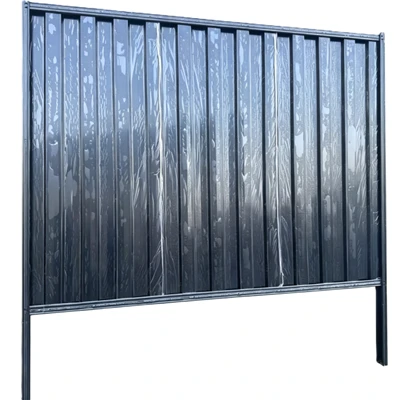
First, let’s clarify what Colorbond even is, because a lot of people mix it up with regular steel fencing. Colorbond isn’t just a piece of metal painted with a random coat of exterior paint. It’s a pre-painted steel product developed in Australia specifically to handle our harsh, variable climate—think UV radiation that’s among the strongest in the world, extreme heat, heavy rain, salt spray in coastal areas, and even occasional frost in the southern states. The whole system is layered, and the paint is the top line of defense.
Now, the short answer to “do Colorbond fences fade in the sun?” is yes, but only at an extremely slow rate—so slow you’d barely notice it over a decade, and way slower than traditional painted timber or even cheap powder-coated steel fencing. But let’s get into why that fade happens, what affects it, and how you can minimize it.
The paint system on Colorbond is two-coat: a primer that bonds tightly to the steel, and a topcoat that gives the color and the durability. For most standard Colorbond colors, that topcoat is a polyester-based paint, which is what gives it that smooth, even finish. Polyester is good for exterior use, but it’s not entirely UV-proof. Over time, the UV rays in sunlight break down the molecular structure of the paint’s resin—this is what causes the color molecules to lose their vibrancy, and you end up with a slight dulling or a soft fade, usually around edges or areas that get direct sun most of the day.
But here’s the thing: that fade is not a defect. It’s a normal, gradual aging process. We’ve been installing Colorbond for decades, and we’ve seen fences that are 25 years old that still have 90% of their original color left. Compare that to a cheap wooden fence, which can fade by 30-40% in just three to five years, or a regular painted steel fence that might fade by 20% in seven years. The difference is the quality of the paint and the steel underneath.
Wait, but some people will tell you certain colors fade more than others—and they’re right. We see this firsthand at our supply yard. Dark colors, like Monument, Deep Ocean, or Ebony, do tend to show a tiny bit more fade over time than lighter colors like Surfmist, White, or Dune. Why? Dark pigments, especially blacks and deep blues, absorb more UV radiation than light pigments. That extra energy speeds up the breakdown of the paint’s resin a little. It’s not a huge difference—you’d have to stand next to a 10-year-old Monument fence and a 10-year-old Surfmist fence to spot the variance—but it’s noticeable to people who look closely.
Coastal areas are another factor that affects fade. Salt spray isn’t just corrosive to steel; it can also accelerate paint breakdown. If you live within a few kilometers of the beach, we recommend upgrading to Colorbond’s Marine grade paint, which has extra UV resistance and a protective layer that stands up to salt. We’ve installed Marine grade fences in locations like Manly, Torquay, and Noosa that still look almost brand new after 12 years, whereas a standard color fence in the same spot might have a subtle fade.
What about the myths? I’ve heard people say Colorbond peels off in the sun, or turns chalky, or develops ugly patches. None of that is related to normal sun fade. Chalking (that powdery residue on the surface) is usually a sign of poor installation, not the sun—for example, if the installer cut corners and didn’t clean the steel properly before painting, or used incompatible materials. Peeling, too, is almost always a surface preparation issue, not a sun problem. We only see that on fences where someone tried to patch a Colorbond fence with regular spray paint, which doesn’t bond correctly to the factory finish.
So what can you do if you want to keep your Colorbond fence looking like new for as long as possible? First, choose the right color for your location. If you’re in a coastal area, go with a light-to-medium color like Dune or Shale Grey instead of a dark Monument; it’ll still fade, just a tiny bit slower. Second, make sure you buy from a reputable Colorbond supplier—some cheaper brands knock off Colorbond’s paint system, using low-quality polyester that fades much faster. We only supply genuine Colorbond products, so you know you’re getting the factory-grade paint that’s designed for Australian conditions. Third, if you really want to minimize fade, you can apply a Colorbond-specific fence sealer every 10 to 15 years. It’s a simple spray-on coat that adds an extra layer of UV protection, and it’s a lot cheaper than replacing your whole fence.
I always tell customers that a little fade is a good sign—it means your fence is doing its job, standing up to the sun and protecting your home. Unlike a wooden fence that rots or a vinyl fence that gets brittle and cracks, Colorbond’s fade is gradual, and it doesn’t affect the structural integrity at all. The steel underneath the paint is galvanized, so even if the paint gets a little dull, it’s still protected from rust. That’s a huge advantage over other fencing options, because rust is the number one enemy of metal fences, not sun fade.

Let me share a quick story from a customer of ours last year. A guy in Melbourne came in with photos of his Colorbond fence that was 22 years old. He’d bought a house with it, and he thought it was time to replace it because the color looked “old.” When we looked at the photos, the fade was so subtle you’d barely notice it from the street. He ended up just touching up a few small areas where a tree branch had scratched the paint, and he’s still using that same fence today. That’s the kind of value Colorbond offers—you don’t have to replace it every decade.
Construction Hoarding At the end of the day, if you’re choosing a fence for your home, sun fade shouldn’t be the deciding factor. Colorbond’s fade is minimal, predictable, and way less of a hassle than other fencing issues. But if you have specific concerns about your climate, or you want to compare color options to minimize fade, our team is here to help. We don’t just sell fences—we’ve installed hundreds of Colorbond fences across every region in Australia, so we know what works in your area. Whether you’re building a new home, replacing a tired fence, or just want to get clear answers about how Colorbond holds up to the sun, reach out to us to arrange a chat. We can send a sample book so you can see the colors in person, answer all your questions about durability, and help you pick the right fence for your budget and your home.
References
- Australian Steel Institute. (2021). Colorbond Fence Technical Specification.
- CSIRO. (2019). UV Radiation Levels and Exterior Material Durability in Australia.
- BlueScope Steel. (2022). Colorbond Paint System Performance Report.
Tianjin Juncheng Weiye Light Steel Color Panel Co., Ltd.
As one of the most professional colorbond fence manufacturers and suppliers in China, we’re featured by quality products and low price. Please rest assured to buy cheap colorbond fence made in China here from our factory. We also accept customized orders.
Address: Beiwang Village, Junliangcheng Street, Dongli District, Tianjin, China
E-mail: finnxu3575@gmail.com
WebSite: https://www.fencefactorycn.com/
