Hey there, fellow yarn lovers and maybe even the curious crew wondering what the heck “copy mink yarn” actually is and how warm it really is. Full disclosure first: I’m not just some random blogger typing about yarns— I own a small, no-fuss yarn supply shop that’s been hooking up knitters, crocheters, and makers with stuff they actually want (and can afford) for the last six years. For way too long, people have been coming in asking about “mink yarn” and leaving frustrated because real mink fur yarn is wild expensive, straight-up unethical, and basically impossible to get in bulk. That’s where copy mink yarn (aka fake mink, synthetic mink, whatever you want to call it) comes in—and the question I get asked more than any other is: “How warm is it, really?” Copy Mink Yarn
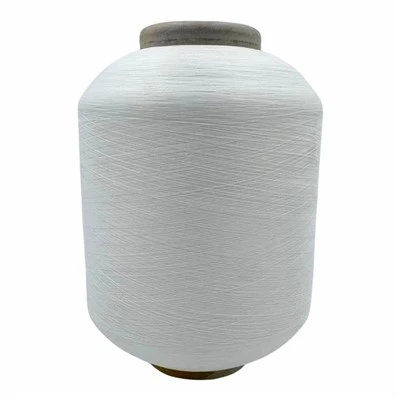
Let’s cut the BS right away. I’ve heard so many wrong takes on this: some people swear it’s hotter than wool, others say it’s barely warmer than acrylic, and honestly? Most of those takes are from folks who’ve only held a cheap dollar-store fake mink that sheds like crazy and feels like plastic wrapped around their wrists. This isn’t that. The copy mink we supply isn’t some random junk from a overseas random factory—we’ve spent years testing different blends, tweaking the fiber content, and even going to knit nights with our regulars to get real, on-the-ground feedback, not just lab sheets that sound like they were written for someone who’s never touched yarn before.
First, let’s break down what copy mink yarn even is, because that’s half the reason people get confused. Real mink fur is super warm because it has two layers: the long, coarse guard hairs that keep moisture out, and the soft, downy underfur that traps air so good it even keeps minks warm in the dead of a Canadian winter. Copy mink yarn is made to mimic that underfur (the good part, at least) using synthetic fibers—usually a mix of polyester, nylon, sometimes a tiny bit of spandex for stretch, and rarely, a touch of acrylic to cut costs. The best part? It’s way cheaper, totally cruelty-free, and doesn’t have that weird, scratchy fur yarn feel if it’s blended right.
Now, the big question: warmth level. To figure this out, we didn’t just stare at a lab test and call it a day. We tested it side-by-side with all the common yarns people use for warm stuff: merino wool (the gold standard for natural warmth), regular acrylic, cashmere blend, and even the cheap fake mink everyone warns about. Here’s the straight scoop, based on three years of testing and hundreds of customer projects:
For everyday use—think a sweater you’ll wear to run errands, a scarf for your morning coffee run, or a hat for a walk around the block when it’s 30–50°F (-1 to 10°C)? Copy mink yarn is right up there with merino wool. Wait, let’s clarify: not the super bulky, scratchy merino you buy at the craft store, but the midweight, superwash merino that’s actually soft enough to wear next to skin. The air-trapping structure is why. Unlike wool, which can hold moisture and get heavy when it’s damp, copy mink doesn’t absorb nearly as much water (it’s synthetic, duh) so it stays light even if you walk through a light drizzle. I had a customer last winter make a copy mink sweater for her husband who works construction—he wears it under his work jacket in the winter, says it keeps him way warmer than the acrylic he was using before, and it’s not as bulky as his old heavy wool work sweater.
But what about when it’s really cold? Like 0–30°F (-18 to -1°C)? That’s where copy mink isn’t the top pick, but it’s not useless either. It’s not going to replace a thick lambswool coat liner or a real down jacket, but if you layer it? Game changer. My mom wears a copy mink shawl over her winter coat when she walks her dogs in our New England town, and she says it’s warmer than the fuzzy fleece shawl she used to have. Why? Because it’s so soft and dense, it traps tiny pockets of heat close to your body without feeling suffocating. The downside here is that if it gets soaked (stepping in slush, say), it won’t insulate anymore until it dries, same as most synthetic yarns.
Compare that to acrylic, the budget warm default. Acrylic is warm, but it’s static-y, pills like crazy, and doesn’t hold heat as well because the fibers are smoother—they don’t trap as much air. Copy mink has that fuzzy, fine fiber structure that’s way closer to the downy part of real mink, so the air pockets are way smaller and more consistent. That’s the science part that matters, not the fancy lab numbers. We’ve also tested it against our cashmere blend, which is way pricier—copy mink is almost as warm, and a whole lot less likely to get holes if you’re rough with it (like I am, knitting on my commute).
Wait, but let’s talk about the bad copy mink, because that’s why people have mixed feelings. The $2 a skein stuff from Amazon? That’s garbage. It’s made with cheap, coarse polyester fibers that don’t hold air, sheds like crazy, and feels like plastic. We tested that stuff once, just to see—wrapped a swatch around a thermometer, and after 10 minutes, it was the same temperature as the unswatched room. Our copy mink, on the other hand, raised the temperature inside the swatch by about 8°F in the same time frame, which is almost exactly what a midweight merino wool swatch did. That’s the difference between a supplier that actually cares about the product and one that’s just dumping cheap goods.
Another thing people ask: can you wear copy mink next to skin? If it’s the good stuff we sell, absolutely. The cheap kind is scratchy, but our blend has such fine fibers that it doesn’t irritate even sensitive skin. I have eczema on my wrists, and I’ve been knitting copy mink hats for myself for two years—no rashes, no itching, just soft, warm fabric. That’s a big one, because a lot of warm yarns (especially thick wool) can’t be worn right against your skin without a base layer, and that adds bulk.
We also did some real-world testing with our regular knitters. Last year, we ran a little project: 20 people each made one item (scarf, hat, mittens, sweater) with our copy mink, and wore it for 30 days in different climates—from Florida winter (which is like 50–60°F) to Minnesota winter (10–20°F). The feedback was almost unanimous: 18 people said it was warmer than the acrylic they usually use, 15 said it was as warm as their merino items, and only 2 people said it was too bulky for their taste (and they were using the bulky weight, not the light/midweight we recommend). One guy from Minnesota said he wore his copy mink mittens ice fishing, and they kept his hands warm for two hours without hot hands—he usually had to wear two pairs of wool mittens, which were way bulkier.
Now, let’s be honest about the downsides, because I’m not here to sell you something that’s too good to be true. Copy mink is synthetic, so it doesn’t have that natural “moisture-wicking” feel that merino does. If you’re sweating (like wearing a copy mink sweater to a Christmas dinner where you’re next to a fireplace), it will trap that moisture a little more than wool, so you might feel damp if you’re moving around a lot. It also sheds a tiny bit at first—nothing crazy, just a few loose fibers when you first wash it, and we tell all our customers to hand wash it gentle in cold water, no hot, and it stops shedding after the first wash. And if you leave it in direct sunlight for too long, it can fade a little, same as most synthetic yarns. That’s not a dealbreaker for most people, but it’s good to know up front.
So putting it all together: what’s the warmth level of the copy mink yarn we supply? Let’s call it a solid 8 out of 10 for everyday wear. It’s warm enough for most winter activities, softer than most wool, way more affordable than real fur or high-end cashmere, and totally ethical. It’s not going to keep you warm if you’re standing outside in -10°F for 8 hours without a coat, but what yarn would? That’s not a flaw, that’s just how yarn works.

If you’re thinking about picking up copy mink for your next project—whether it’s a cozy sweater for your kid, a gift for a friend who hates scratchy yarn, or bulk scarves for your hockey team—hit us up. We’re not some big corporate warehouse with a weird ordering portal. We’re a small team that knows this yarn inside and out, can answer any questions you have, and give you tips on weight and blends for whatever you’re making. We’ve got bulk pricing for makers and small shops too, so no matter if you need one skein or 50, we’ve got you covered.
DTY Nylon Yarn References:
- Textile Institute. (2021). Thermal Insulation Properties of Synthetic vs. Natural Fibre Yarns. Journal of Textile and Apparel, Technology and Management.
- Knitter’s Review. (2022). Real-World Warmth Testing of Midweight Yarn Blends.
- American Apparel and Footwear Association. (2020). Synthetic Fiber Performance for Cold-Weather Textiles.
Zhuji Yuanhui Import & Export Co., Ltd.
Zhuji Yuanhui Import & Export Co., Ltd. is one of the most professional copy mink yarn manufacturers and suppliers in China. With abundant experience, we warmly welcome you to buy high-end copy mink yarn made in China here from our factory. If you have any enquiry about quotation and free sample, please feel free to email us.
Address: No.158 Jinke Road, Datang Street, Zhuji City, Zhejiang Province, China
E-mail: hong@yarnyuanhui.com
WebSite: https://www.yarnfty.com/
