Hey there! I’m a supplier of cryogenic pressure vessels, and today I want to chat about the pressure relief devices for these vessels. Cryogenic pressure vessels are used to store and transport liquefied gases like liquid nitrogen, liquid oxygen, and liquid argon at extremely low temperatures. These vessels are designed to handle high pressures, but it’s crucial to have proper pressure relief devices in place to ensure safety. Cryogenic Pressure Vessel
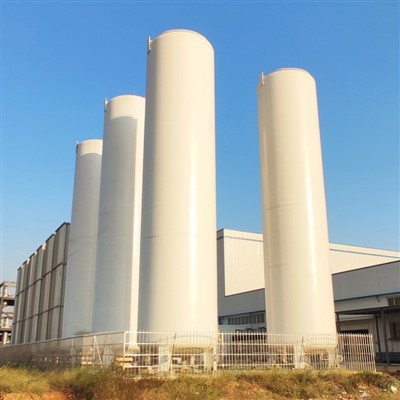
Why Pressure Relief Devices are Necessary
First off, let’s understand why we need pressure relief devices. Cryogenic substances are stored at very low temperatures, and any increase in temperature can cause the liquid to vaporize. When this happens, the pressure inside the vessel can rise rapidly. If the pressure exceeds the vessel’s design limit, it can lead to a catastrophic failure, which is not only dangerous but can also cause significant damage to property and the environment.
Pressure relief devices act as a safety valve. They are designed to open and release excess pressure when it reaches a certain level, preventing the vessel from over – pressurizing. This helps to maintain the integrity of the vessel and protect everyone around it.
Types of Pressure Relief Devices
Safety Valves
Safety valves are one of the most common pressure relief devices for cryogenic pressure vessels. They work on a simple principle: when the pressure inside the vessel reaches a pre – set value, the valve opens and allows the excess gas to escape. Once the pressure drops below the set point, the valve closes again.
There are different types of safety valves, such as spring – loaded safety valves. These valves use a spring to keep the valve closed under normal pressure conditions. When the pressure exceeds the spring’s force, the valve opens. They are relatively simple in design and are widely used because they are reliable and easy to maintain.
Rupture Discs
Rupture discs are another important pressure relief device. Unlike safety valves, which can close after releasing pressure, rupture discs are designed to burst when the pressure reaches a specific level. Once the disc ruptures, it provides a large opening for the rapid release of pressure.
Rupture discs are often used in combination with safety valves. They can provide an additional layer of protection, especially in situations where a rapid pressure release is required. For example, in cases where there is a sudden and significant increase in pressure, the rupture disc can act quickly to prevent the vessel from failing.
Pressure Vacuum Relief Valves
Pressure vacuum relief valves (PVRVs) are designed to protect cryogenic pressure vessels from both over – pressure and under – pressure conditions. In addition to releasing excess pressure, they can also allow air or gas to enter the vessel when the pressure inside drops below atmospheric pressure.
This is important because cryogenic vessels can experience a drop in pressure due to factors like heat loss or the consumption of the stored gas. If the pressure inside the vessel becomes too low, it can cause the vessel to collapse. PVRVs help to maintain the proper pressure balance inside the vessel.
Factors to Consider When Choosing Pressure Relief Devices
Pressure Rating
The pressure rating of the relief device is crucial. It must be selected based on the maximum pressure that the cryogenic pressure vessel can withstand. If the pressure rating is too low, the device may open too early, leading to unnecessary loss of the stored gas. On the other hand, if the rating is too high, the device may not open in time to prevent over – pressurization.
Flow Capacity
The flow capacity of the pressure relief device is also important. It needs to be able to release the excess pressure quickly enough to prevent the pressure from building up to dangerous levels. The flow capacity depends on factors such as the size of the opening and the type of gas being released.
Material Compatibility
The materials used in the pressure relief device must be compatible with the cryogenic substances stored in the vessel. Cryogenic fluids can be very corrosive, and using the wrong materials can lead to degradation of the device and a potential failure. For example, some cryogenic gases may react with certain metals, so it’s important to choose materials that are resistant to corrosion.
Maintenance and Inspection
Proper maintenance and inspection of pressure relief devices are essential to ensure their reliability. Regular inspections should be carried out to check for any signs of damage, wear, or blockage. The devices should also be tested periodically to ensure that they are functioning correctly.
For safety valves, the spring should be checked for proper tension, and the valve seat should be inspected for any leaks. Rupture discs should be inspected for any signs of damage or degradation, and they should be replaced at regular intervals. PVRVs should be checked for proper operation in both pressure and vacuum conditions.
Our Role as a Cryogenic Pressure Vessel Supplier
As a cryogenic pressure vessel supplier, we understand the importance of providing high – quality pressure relief devices. We work closely with our customers to help them choose the right devices for their specific applications. We offer a wide range of pressure relief devices, including safety valves, rupture discs, and PVRVs, that are designed to meet the highest safety standards.

We also provide installation and maintenance services to ensure that the pressure relief devices are installed correctly and are functioning properly. Our team of experts is always available to answer any questions and provide technical support.
Cryogenic Pressure Vessel If you’re in the market for cryogenic pressure vessels or need pressure relief devices for your existing vessels, we’d love to hear from you. We can help you find the best solutions for your needs and ensure that your cryogenic storage and transportation systems are safe and reliable. Don’t hesitate to reach out to us for a consultation and to discuss your requirements.
References
- ASME Boiler and Pressure Vessel Code, Section VIII, Division 1: Rules for Construction of Pressure Vessels
- API 520: Sizing, Selection, and Installation of Pressure – Relieving Devices in Refineries
- ISO 21011: Cryogenic vessels – Safety devices for protection against excessive pressure
Tianjin Baiyan Technology Co., Ltd.
With abundant experience, we are one of the most professional cryogenic pressure vessel manufacturers and suppliers in China. We warmly welcome you to buy customized cryogenic pressure vessel made in China here from our factory. If you have any enquiry about pricelist and quotation, please feel free to email us.
Address: No. 36, Jixian Road, Shuangqiaohe Development Zone, Jinnan District, Tianjin, China
E-mail: sales@tjbaiyan.com
WebSite: https://www.baiyan-tech.com/
