What is the surface treatment of a wire mesh panel? Wire Mesh Panel

As a supplier of wire mesh panels, I’ve witnessed firsthand the crucial role that surface treatment plays in enhancing the performance and longevity of these products. Wire mesh panels are used in a wide range of applications, from industrial filtration and security fencing to architectural decoration. The right surface treatment can not only protect the mesh from corrosion and wear but also improve its aesthetic appeal. In this blog, I’ll explore the different types of surface treatments available for wire mesh panels and their benefits.
Galvanizing
Galvanizing is one of the most common surface treatments for wire mesh panels. It involves coating the steel wire with a layer of zinc to protect it from rust and corrosion. There are two main types of galvanizing: hot-dip galvanizing and electro-galvanizing.
Hot-dip galvanizing: This process involves immersing the wire mesh panel in a bath of molten zinc at a temperature of around 450°C. The zinc reacts with the steel to form a series of zinc-iron alloy layers, which provide excellent corrosion resistance. Hot-dip galvanized wire mesh panels are highly durable and can withstand harsh environments, making them ideal for outdoor applications such as fencing, scaffolding, and animal enclosures.
Electro-galvanizing: Also known as cold galvanizing, electro-galvanizing is a process that uses an electric current to deposit a thin layer of zinc onto the surface of the wire. This method is less expensive than hot-dip galvanizing but provides a thinner and less durable zinc coating. Electro-galvanized wire mesh panels are suitable for indoor applications or environments with low corrosion risk, such as interior decoration and shelving.
Powder Coating
Powder coating is a popular surface treatment that offers a wide range of color options and excellent durability. It involves applying a dry powder to the surface of the wire mesh panel using an electrostatic gun. The powder is then cured in an oven at a high temperature, where it melts and forms a smooth, hard finish.
One of the main advantages of powder coating is its ability to provide a uniform and consistent finish, even on complex shapes and surfaces. It also offers excellent resistance to scratches, chips, and fading, making it ideal for applications where appearance is important. Powder-coated wire mesh panels are commonly used in architectural applications, such as curtain walls, balustrades, and decorative screens.
PVC Coating
PVC (polyvinyl chloride) coating is another common surface treatment for wire mesh panels. It involves dipping the mesh in a PVC solution, which adheres to the wire and forms a protective layer. PVC coating can provide a variety of benefits, including increased corrosion resistance, improved flexibility, and enhanced aesthetic appeal.
PVC-coated wire mesh panels are available in a range of colors, which can be customized to match the specific requirements of the project. They are commonly used in applications such as fencing, animal enclosures, and playground equipment. The PVC coating not only protects the wire from corrosion but also provides a smooth and comfortable surface, reducing the risk of injury.
Chrome Plating
Chrome plating is a high-end surface treatment that involves depositing a thin layer of chromium onto the surface of the wire mesh panel. Chrome plating offers several benefits, including excellent corrosion resistance, high hardness, and a shiny, reflective finish.
However, chrome plating is a more expensive and complex process compared to other surface treatments. It also requires strict environmental controls to ensure that the chemicals used in the plating process do not pose a risk to human health or the environment. Chrome-plated wire mesh panels are typically used in high-end applications, such as automotive parts, jewelry displays, and luxury architectural projects.
Anodizing
Anodizing is a surface treatment process that is commonly used for aluminum wire mesh panels. It involves creating a controlled oxide layer on the surface of the aluminum through an electrochemical process. The anodized layer provides a hard, durable, and corrosion-resistant surface, as well as improved adhesion for paint or other coatings.
Anodizing can also improve the aesthetic appeal of aluminum wire mesh panels by providing a range of colors and finishes. It is a popular choice for architectural applications, such as facades, sunshades, and interior partitions, where the combination of durability and aesthetics is important.
Benefits of Surface Treatment
The surface treatment of wire mesh panels offers several important benefits:
Corrosion resistance: The primary benefit of surface treatment is to protect the wire mesh from corrosion. Corrosion can weaken the structure of the mesh, reduce its lifespan, and compromise its performance. A proper surface treatment can significantly extend the service life of the wire mesh panel, especially in harsh environments.
Enhanced durability: Surface treatments can increase the hardness and wear resistance of the wire mesh, making it more resistant to scratches, abrasion, and impact. This is particularly important in applications where the mesh is subject to mechanical stress, such as industrial filtration and construction.
Aesthetic appeal: Surface treatments can improve the appearance of the wire mesh panel, allowing it to blend in with the surrounding environment or serve as a decorative element. With a variety of colors and finishes available, surface treatments offer endless design possibilities for architectural and decorative applications.
Chemical resistance: Some surface treatments can provide resistance to chemicals, acids, and alkalis, making the wire mesh suitable for use in chemical processing, wastewater treatment, and other industrial applications.
Choosing the Right Surface Treatment
When choosing a surface treatment for a wire mesh panel, several factors need to be considered:
Application environment: The type of environment in which the wire mesh panel will be used is a crucial factor in determining the appropriate surface treatment. For outdoor applications or environments with high humidity, hot-dip galvanizing or powder coating may be the best choice. For indoor applications or areas with low corrosion risk, electro-galvanizing or PVC coating may be sufficient.
Performance requirements: The performance requirements of the application, such as corrosion resistance, durability, and chemical resistance, will also influence the choice of surface treatment. For example, if the wire mesh panel needs to withstand high levels of abrasion, a hard surface treatment such as chrome plating or anodizing may be required.
Aesthetic preferences: The aesthetic appearance of the wire mesh panel is another important consideration. Different surface treatments can provide a variety of colors, finishes, and textures, allowing the panel to match the design requirements of the project.
Cost: The cost of the surface treatment is also an important factor. Some surface treatments, such as chrome plating, are more expensive than others, such as electro-galvanizing. It is important to balance the cost with the performance and aesthetic requirements of the application.
Conclusion
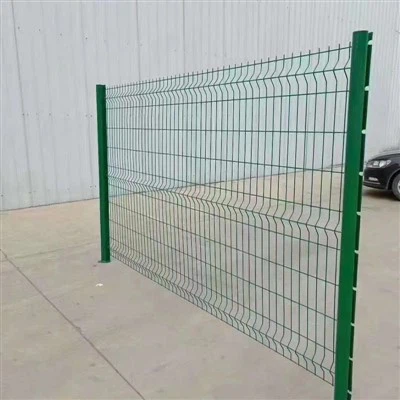
Surface treatment is an essential process in the production of wire mesh panels. It not only protects the mesh from corrosion and wear but also enhances its performance, durability, and aesthetic appeal. As a wire mesh panel supplier, I understand the importance of choosing the right surface treatment for each application. Whether you need a wire mesh panel for industrial, architectural, or decorative purposes, I can help you select the most suitable surface treatment to meet your specific requirements.
Barbecue Grill Mesh If you are interested in purchasing wire mesh panels or have any questions about surface treatments, please do not hesitate to contact me. I would be more than happy to discuss your needs and provide you with a customized solution.
References
- ASTM International. (2023). Standard Specification for Zinc-Coated (Galvanized) Steel Wire for Fence. ASTM A641/A641M – 22.
- Finishing Association. (2023). Introduction to Powder Coating.
- Aluminum Anodizers Council. (2023). What is Anodizing?
Anping County Nuocheng Wire Mesh Co., Ltd.
As one of the most professional wire mesh panel manufacturers and suppliers in China, we also support customized service. Please feel free to buy high quality wire mesh panel for sale here from our factory. For price consultation, contact us.
Address: 100 meters southeast of Beimanzi Village, Dahezhuang Township, Anping County, Hengshui City, Hebei Province, China
E-mail: lixuhao0888@gmail.com
WebSite: https://www.ncwiremesh.com/
