In the ever – evolving landscape of technology, computer cables play a crucial yet often overlooked role. As a seasoned computer cables supplier, I’ve witnessed firsthand the diverse needs and applications of these essential components. In this blog, I’ll delve into the common types of computer cables, shedding light on their functions, features, and typical use cases. Computer Cables
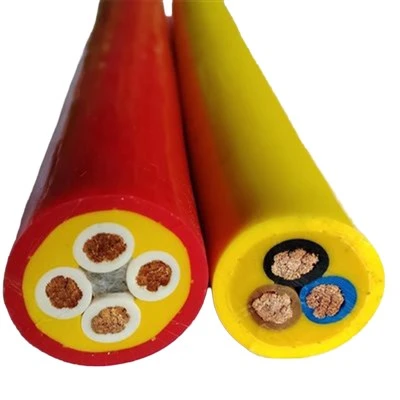
Power Cables
Power cables are the lifeblood of any computer system. They are responsible for delivering electrical power from a wall outlet or a power source to the computer and its peripherals. The most common type of power cable used in computers is the IEC (International Electrotechnical Commission) cable, also known as the kettle lead.
There are different versions of IEC cables, such as C13 and C14. The C13 cable has a female connector that plugs into the power supply unit (PSU) of a computer, while the C14 connector is the male end that goes into the wall socket or a power strip. These cables are designed to handle different power ratings, and it’s crucial to use the appropriate one for your device to ensure safe and efficient operation.
For larger servers and high – end workstations, you might encounter C19 and C20 cables. These are capable of carrying higher power loads compared to the standard C13/C14 cables. They are often used in data centers or environments where multiple high – power components are in use.
Data Cables
USB Cables
USB (Universal Serial Bus) cables are ubiquitous in the world of computing. They are used to connect a wide range of devices, including keyboards, mice, printers, external hard drives, and smartphones, to a computer. USB cables come in different versions, each offering varying levels of data transfer speed and power delivery capabilities.
USB 2.0 is the most basic and widely supported version. It offers a maximum data transfer rate of 480 Mbps. USB 3.0, also known as SuperSpeed USB, provides a significant upgrade, with a maximum transfer rate of 5 Gbps. USB 3.1 Gen 1 and Gen 2 further improve the speed, with Gen 2 reaching up to 10 Gbps.
The latest USB 4 standard takes things even further, offering speeds of up to 40 Gbps. USB cables also come in different connector types, such as Type – A, Type – B, and Type – C. Type – A is the most common connector found on computers, while Type – B is often used for printers and other peripherals. Type – C is becoming increasingly popular due to its reversible design and high – speed data and power transfer capabilities.
Ethernet Cables
Ethernet cables are used to connect computers to a local area network (LAN) or the internet. They are essential for wired internet connections, which typically offer faster and more stable speeds compared to Wi – Fi. The most common types of Ethernet cables are Cat5e, Cat6, and Cat6a.
Cat5e (Category 5e) cables are the most widely used and are suitable for most home and small – business networks. They support data transfer speeds of up to 1 Gbps over a maximum distance of 100 meters. Cat6 cables offer improved performance, with a maximum data transfer rate of 10 Gbps over a distance of up to 55 meters. Cat6a (Augmented Cat6) is an even more advanced version, capable of supporting 10 Gbps speeds over a full 100 – meter distance.
HDMI Cables
HDMI (High – Definition Multimedia Interface) cables are used to transmit high – definition audio and video signals between devices such as computers, TVs, monitors, and gaming consoles. They support resolutions up to 4K and even 8K in the latest versions, providing a high – quality visual and audio experience.
HDMI cables come in different versions, including HDMI 1.4, HDMI 2.0, and HDMI 2.1. HDMI 2.1 is the most advanced and offers features such as higher refresh rates, greater bandwidth, and support for dynamic HDR. This makes it ideal for high – end gaming setups and home theaters.
Video Cables
Apart from HDMI, there are other video cables that are still in use, especially in older systems or specific applications.
VGA Cables
VGA (Video Graphics Array) cables were once the standard for connecting computers to monitors. They use an analog signal to transmit video data and support resolutions up to 2048×1536 pixels. Although they are being gradually phased out due to the rise of digital video standards, VGA cables are still commonly found in some older devices and are used in budget – friendly or legacy systems.
DVI Cables
DVI (Digital Visual Interface) cables are used to transmit digital video signals. There are different types of DVI connectors, including DVI – D (digital only), DVI – A (analog only), and DVI – I (integrated, which supports both analog and digital signals). DVI cables offer better image quality than VGA cables, especially for high – resolution displays. However, like VGA, they are also being replaced by more modern standards such as HDMI and DisplayPort.
DisplayPort Cables
DisplayPort is a relatively new video interface that offers high – bandwidth transmission of video and audio signals. It supports high resolutions, high refresh rates, and multi – stream transport, which allows multiple displays to be connected using a single cable. DisplayPort cables are commonly used in high – end monitors, laptops, and graphics cards.
Audio Cables
Audio cables are used to transmit audio signals between devices such as computers, speakers, headphones, and audio interfaces.
3.5mm Audio Jack Cables
The 3.5mm audio jack is one of the most common audio connectors. It is used for headphones, earphones, and external speakers. These cables can transmit both mono and stereo audio signals. They are widely used in laptops, smartphones, and portable audio devices.
RCA Cables
RCA (Radio Corporation of America) cables are commonly used for connecting audio and video devices in home theater systems. They typically come in pairs, with red and white connectors for audio (left and right channels) and a yellow connector for video. RCA cables are also used for connecting older audio equipment such as turntables and amplifiers.
XLR Cables
XLR cables are used in professional audio applications, such as live sound reinforcement, recording studios, and musical instrument connections. They are known for their balanced design, which helps to reduce noise and interference. XLR cables are often used for microphones, mixers, and power amplifiers.
As a computer cables supplier, I understand the importance of providing high – quality cables that meet the diverse needs of our customers. Whether you’re building a home office setup, a gaming rig, or a large – scale data center, having the right cables is essential for optimal performance.
If you’re in the market for computer cables, I invite you to reach out to discuss your specific requirements. We offer a wide range of cables, from power cables to high – speed data and video cables, all of which are designed to meet the highest industry standards. Our team of experts is ready to assist you in selecting the right cables for your application. Let’s start a conversation and find the perfect solution for your computing needs.
Control Cables References:
- "Computer Networking: A Top – Down Approach" by Andrew S. Tanenbaum
- "The Complete Guide to HDMI" by HDMI Licensing, LLC
- "USB Implementers Forum Specifications" for USB standards information
Anhui Yuantong Cable Co., Ltd.
As one of the most professional computer cables manufacturers and suppliers in China, we offer a wide range of cables with superior quality. Please feel free to wholesale bulk customized computer cables from our factory. Also, pricelist is available.
Address: Yongfeng Industrial Park, Tianchang City, Anhui Province
E-mail: ahytcable@126.com
WebSite: https://www.yuantongcable.net/
