Hey there! I’m a supplier of Automotive TPA (Terminal Position Assurance) or ISL (Insulation Displacement Connection) connectors. You might be wondering if these connectors can be used in railway applications. Well, let’s dive right into it and explore this topic. Automotive TPA Or ISL Connector
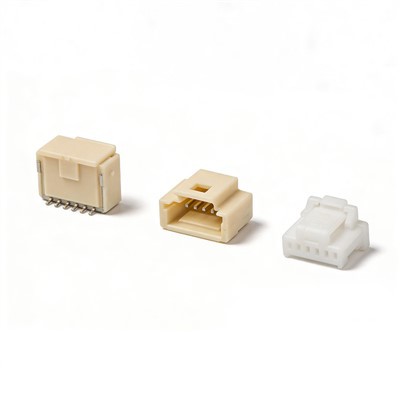
First off, let’s talk a bit about what Automotive TPA and ISL connectors are. Automotive TPA connectors are designed to ensure that terminals are properly seated in the connector housing. They add an extra layer of security, preventing terminals from backing out due to vibrations or other mechanical stresses. On the other hand, ISL connectors use insulation displacement technology. This means they can make electrical connections by cutting through the insulation of a wire without the need for stripping. It’s a quick and efficient way to connect wires, and it’s widely used in automotive applications.
Now, when it comes to railway applications, there are some unique requirements that we need to consider. Railways operate in a harsh environment. There are high levels of vibration, temperature variations, and exposure to dust, moisture, and chemicals. So, any connector used in railway applications has to be able to withstand these conditions.
Let’s start with the vibration aspect. Trains are constantly in motion, and the vibrations can be quite intense. Automotive TPA connectors are built to handle vibrations in automotive settings, but the vibrations in railways are often on a different scale. However, if the TPA connectors are designed with high – quality materials and a robust locking mechanism, they might be able to handle the railway vibrations. For example, some of our TPA connectors have a double – locking system that provides extra stability. This can help keep the terminals in place even under heavy vibrations.
Temperature variations are another big factor. Railways can operate in extremely cold or hot climates. In winter, temperatures can drop well below freezing, while in summer, they can soar to very high levels. Automotive TPA and ISL connectors are typically designed for the temperature range found in cars, which is usually between – 40°C to 125°C. In railway applications, the temperature range can be even more extreme. But we’ve been working on improving the materials used in our connectors. We use special polymers that can withstand a wider temperature range, which makes them more suitable for railway use.
Dust and moisture are also common problems in railway environments. Trains pass through different terrains, and there’s a lot of dust and dirt in the air. Moisture can come from rain, snow, or condensation. Automotive connectors are usually sealed to some extent, but the sealing requirements for railway applications are much stricter. Our ISL connectors, for instance, have a special sealing design. We use gaskets and seals that are made from materials resistant to water and dust. This helps prevent any moisture or dust from getting inside the connector and causing electrical problems.
Chemical exposure is yet another challenge. Railways use various chemicals for maintenance and cleaning, and these chemicals can be corrosive. Automotive TPA and ISL connectors need to be resistant to these chemicals. We’ve been testing our connectors with different types of chemicals to ensure they can withstand the exposure. We use coatings and materials that are chemically resistant, which helps protect the connectors from corrosion.
In addition to the environmental factors, there are also electrical requirements in railway applications. Railways have a complex electrical system, and the connectors need to be able to handle high – voltage and high – current applications. Automotive connectors are generally designed for lower – voltage and lower – current systems. However, we’ve been developing connectors that can handle higher electrical loads. Our engineers have been working on improving the conductivity of the terminals and the insulation properties of the connector housing.
Now, let’s talk about the advantages of using Automotive TPA or ISL connectors in railway applications. One of the biggest advantages is cost – effectiveness. Automotive connectors are mass – produced, which means they are generally more affordable than specialized railway connectors. This can lead to significant cost savings for railway operators.
Another advantage is the availability. Since automotive connectors are widely used in the automotive industry, they are readily available. This means that railway operators can get the connectors quickly, which is important for maintenance and repair work.
However, there are also some challenges. As I mentioned earlier, the environmental and electrical requirements in railway applications are more stringent than in automotive applications. So, we need to make sure that our connectors are properly modified and tested to meet these requirements.
We’ve been conducting a lot of tests on our Automotive TPA and ISL connectors to see if they can be used in railway applications. We’ve tested them in simulated railway environments, including high – vibration, extreme – temperature, and chemical – exposure tests. The results have been quite promising. Many of our connectors have been able to meet the basic requirements for railway use.
But we’re not stopping there. We’re constantly working on improving our connectors. We’re collaborating with railway experts to understand their specific needs better. We’re also investing in research and development to come up with new designs and materials that can make our connectors even more suitable for railway applications.
If you’re in the railway industry and you’re looking for cost – effective and reliable connectors, I think our Automotive TPA and ISL connectors could be a great option for you. We can provide you with samples for testing, and we’re more than happy to work with you to customize the connectors to meet your specific requirements.
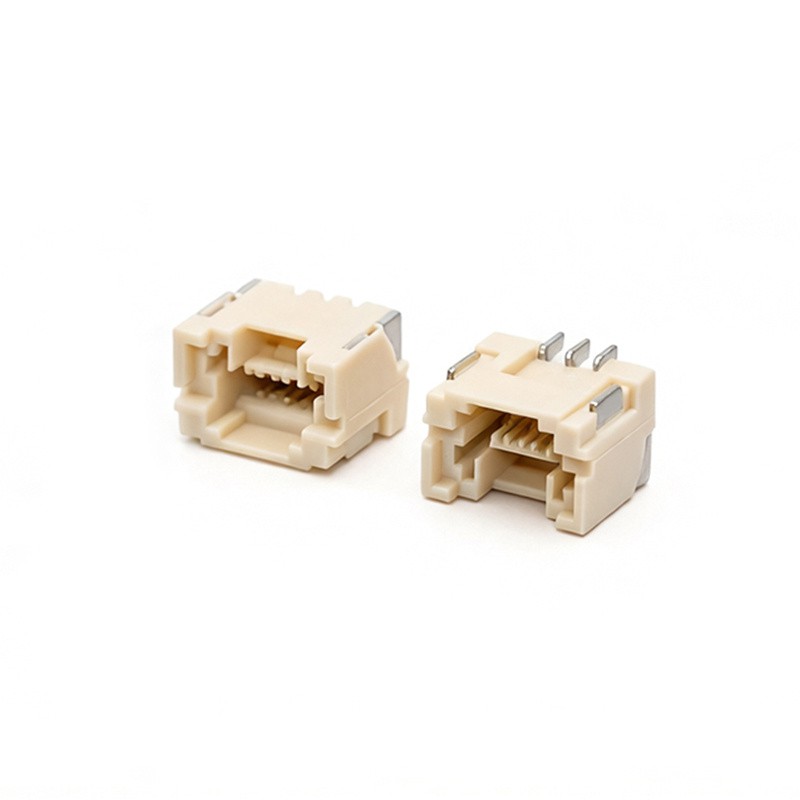
If you’re interested in learning more about our connectors or want to discuss a potential purchase, don’t hesitate to reach out. We’re here to help you find the best connector solutions for your railway applications.
Automotive TPA Or ISL Connector References:
- Industry reports on automotive and railway connector requirements
- In – house test results on connector performance in simulated railway environments
Wenzhou JKUN Connector Co., Ltd.
As one of the most professional automotive tpa or isl connector manufacturers and suppliers in China, we’re featured by quality products and low price. Please rest assured to wholesale bulk customized automotive tpa or isl connector from our factory. For quotation and free sample, contact us now.
Address: No.2667, Ningkang East Road, Yueqing City, Zhejiang Province, China
E-mail: sales@cnjkun.com
WebSite: https://www.jkunjcj.com/
