Chemical resistance is a crucial factor that significantly impacts the use of high – frequency welded fin stainless steel tubes. As a supplier of these tubes, I have witnessed firsthand how the chemical resistance properties influence various applications and user decisions. High-frequency Welded Fin Stainless Steel Tube
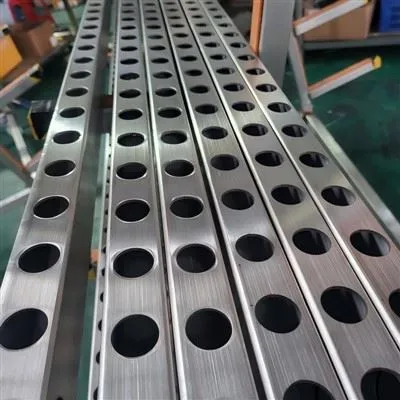
Understanding Chemical Resistance in High – frequency Welded Fin Stainless Steel Tubes
Stainless steel is known for its inherent corrosion resistance, which is mainly due to the presence of chromium. When the chromium content in stainless steel is around 10.5% or more, it forms a passive oxide layer on the surface. This layer acts as a barrier, preventing the metal from reacting with oxygen, water, and other chemicals in the environment. In high – frequency welded fin stainless steel tubes, this chemical resistance is further enhanced through the manufacturing process and the selection of appropriate alloys.
The fin structure on these tubes not only increases the heat transfer area but also affects the overall chemical resistance. The fins can trap chemicals in some cases, which may lead to localized corrosion if the chemical resistance of the stainless steel is not sufficient. Therefore, it is essential to understand the chemical environment in which the tubes will be used to ensure their long – term performance.
Impact on Industrial Applications
Chemical Processing Industry
In the chemical processing industry, high – frequency welded fin stainless steel tubes are widely used in heat exchangers, reactors, and pipelines. The tubes are exposed to a variety of aggressive chemicals, such as acids, alkalis, and solvents. A high level of chemical resistance is required to prevent corrosion and ensure the integrity of the equipment.
For example, in a sulfuric acid production plant, the tubes need to resist the corrosive effects of sulfuric acid at high temperatures. If the chemical resistance of the stainless steel tubes is inadequate, the tubes may corrode rapidly, leading to leaks and equipment failure. This can cause significant downtime and financial losses for the plant.
Food and Beverage Industry
In the food and beverage industry, high – frequency welded fin stainless steel tubes are used for heating, cooling, and transporting food products. The tubes must be resistant to chemicals such as cleaning agents, sanitizers, and food acids. A high chemical resistance ensures that the tubes do not contaminate the food products and meet the strict hygiene standards of the industry.
For instance, during the cleaning process, the tubes are exposed to alkaline cleaning solutions. If the chemical resistance of the tubes is poor, the cleaning agents may corrode the surface of the tubes, leaving behind residues that can contaminate the food. This can pose a serious health risk to consumers and damage the reputation of the food manufacturer.
Oil and Gas Industry
In the oil and gas industry, high – frequency welded fin stainless steel tubes are used in pipelines, refineries, and offshore platforms. The tubes are exposed to harsh environments, including saltwater, sour gas, and high – pressure conditions. A high chemical resistance is essential to prevent corrosion and ensure the safety and reliability of the equipment.
For example, in offshore oil and gas production, the tubes are constantly exposed to saltwater, which is highly corrosive. If the chemical resistance of the tubes is not sufficient, the tubes may develop pitting corrosion, which can weaken the structure of the tubes and lead to leaks. This can cause environmental pollution and pose a significant safety risk to the workers.
Factors Affecting Chemical Resistance
Alloy Composition
The alloy composition of the stainless steel has a significant impact on its chemical resistance. Different alloys have different levels of resistance to various chemicals. For example, austenitic stainless steels, such as 304 and 316, are commonly used in high – frequency welded fin stainless steel tubes due to their good general corrosion resistance. Alloy 316, which contains molybdenum, has better resistance to pitting and crevice corrosion in chloride – containing environments compared to alloy 304.
Surface Finish
The surface finish of the high – frequency welded fin stainless steel tubes also affects their chemical resistance. A smooth surface finish is less likely to trap dirt, chemicals, and moisture, which can reduce the risk of corrosion. On the other hand, a rough surface finish can provide more sites for corrosion to initiate. Therefore, it is important to ensure that the tubes have a proper surface finish, such as a polished or pickled finish, to enhance their chemical resistance.
Welding Quality
The quality of the high – frequency welding process can also affect the chemical resistance of the tubes. Poor welding quality can lead to the formation of defects, such as porosity, cracks, and inclusions, which can reduce the corrosion resistance of the tubes. It is essential to use proper welding techniques and quality control measures to ensure that the welds are of high quality and have good chemical resistance.
Testing and Evaluation of Chemical Resistance
To ensure the chemical resistance of high – frequency welded fin stainless steel tubes, various testing methods can be used. One of the most common methods is the immersion test, where the tubes are immersed in a specific chemical solution for a certain period of time. The weight loss, corrosion rate, and surface appearance of the tubes are then measured to evaluate their chemical resistance.
Another method is the electrochemical test, which measures the corrosion potential and corrosion rate of the tubes in a specific chemical environment. This method can provide more accurate and detailed information about the corrosion behavior of the tubes.
In addition to laboratory testing, field testing can also be conducted to evaluate the chemical resistance of the tubes in real – world applications. This can help to identify any potential problems and ensure that the tubes are suitable for the intended use.
How Chemical Resistance Influences Purchase Decisions
When customers are considering purchasing high – frequency welded fin stainless steel tubes, chemical resistance is often one of the most important factors. Customers need to ensure that the tubes can withstand the chemical environment in which they will be used.
For example, if a customer is in the chemical processing industry, they will require tubes with high resistance to acids and alkalis. They will look for tubes made from alloys with good chemical resistance and may also require specific surface finishes and welding quality to ensure long – term performance.
In the food and beverage industry, customers will focus on the tubes’ resistance to cleaning agents and food acids. They will also pay attention to the hygiene requirements and may require tubes that are easy to clean and maintain.
In the oil and gas industry, customers will need tubes that can resist the harsh environments, including saltwater and sour gas. They will look for tubes with high corrosion resistance and may also require additional protective coatings or treatments.
Conclusion

Chemical resistance is a critical factor that affects the use of high – frequency welded fin stainless steel tubes in various industries. As a supplier, it is our responsibility to provide tubes with high chemical resistance to meet the needs of our customers. By understanding the factors that affect chemical resistance, conducting proper testing and evaluation, and providing high – quality products, we can ensure the long – term performance and reliability of our tubes.
U-bend Stainless Steel Tube If you are in need of high – frequency welded fin stainless steel tubes and have specific requirements regarding chemical resistance, please feel free to contact us for a detailed discussion. We are committed to providing you with the best solutions for your applications.
References
- ASM Handbook Volume 13A: Corrosion: Fundamentals, Testing, and Protection.
- Stainless Steel Handbook by James R. Davis.
- ASTM Standards related to stainless steel corrosion testing.
China Super Tech Co., Ltd.
As one of the most professional high-frequency welded fin stainless steel tube manufacturers and suppliers in China, we’re featured by quality products and good service. Please rest assured to wholesale OEM high-frequency welded fin stainless steel tube from our factory. Also, custom service is available.
Address: Wangjing Science and Technology Park, Guangshun North Street, Chaoyang District, Beijing
E-mail: sales@316liquidcooling.com
WebSite: https://www.316liquidcooling.com/
