When it comes to 3D printing with wax material, one of the most pressing concerns for many users and potential clients is the print speed. In my role as a supplier of 3D printing wax material, I’ve witnessed firsthand the growing demand and the importance of optimizing the printing speed without sacrificing the quality of the final product. This blog will delve into various aspects of print speed optimization for 3D printing wax material, sharing insights and practical tips that I’ve gathered through my experiences in this dynamic industry. 3D Printing Wax Material
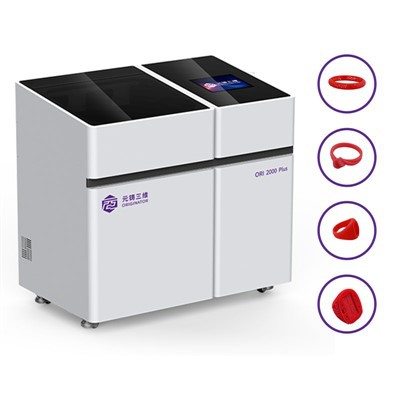
Understanding the Basics of 3D Printing Wax
Before we jump into speed optimization, it’s crucial to understand the unique properties of 3D printing wax. Wax has been a favorite material in the 3D printing world, especially in the fields of jewelry and dental casting. It offers excellent detail resolution and can be easily melted out during the casting process, leaving a perfect mold for metal or other materials.
However, wax also has some characteristics that can affect the printing speed. Wax has a relatively low melting point, which means that careful temperature control is required during printing. If the printing speed is too high, the wax may not have enough time to solidify properly, leading to poor layer adhesion and a rough surface finish. On the other hand, if the speed is too slow, the production efficiency will be significantly reduced, which is not cost – effective for large – scale manufacturing.
Printer Settings for Speed Optimization
Print Head Temperature
The temperature of the print head is a critical factor in 3D printing wax. A higher print head temperature can reduce the viscosity of the wax, allowing it to flow more easily through the nozzle. This can potentially increase the printing speed as the wax can be extruded more quickly. However, it’s a delicate balance. If the temperature is set too high, the wax may start to burn or degrade, resulting in unpleasant odors and a damaged print.
Based on my experience with different types of wax materials we supply, a general guideline is to start with a slightly higher temperature than the minimum melting point of the wax. Then, through a series of test prints, gradually adjust the temperature to find the optimal value that allows for a fast yet stable extrusion. For example, for some of our standard casting waxes, a print head temperature in the range of 70 – 90 degrees Celsius often works well.
Layer Height
The layer height is another key setting that affects the printing speed. A larger layer height means that fewer layers need to be printed to complete the model, thus reducing the overall printing time. However, increasing the layer height also reduces the detail and smoothness of the printed object.
When using our 3D printing wax material for jewelry applications where high – precision is required, a smaller layer height, such as 0.1mm or 0.15mm, is often preferred to ensure fine details. But for less detailed parts or rapid prototyping, a layer height of 0.2mm or even 0.25mm can be used to significantly speed up the printing process.
Infill Percentage
Infill refers to the internal structure of the printed object. A higher infill percentage means more material is used inside the object, which can make it stronger. But for wax prints, especially those intended for casting, a very high infill is not always necessary. Since the wax will be melted out during the casting process, a lower infill percentage can save a significant amount of time and material.
For most jewelry and dental models, an infill percentage of 10 – 20% is usually sufficient to maintain the shape of the model during handling. This low – infill setting can reduce the printing time by avoiding unnecessary deposition of wax inside the object.
Material – Specific Considerations
Wax Viscosity
The viscosity of the wax material plays a vital role in print speed optimization. Different types of waxes have different viscosities, and this can affect how easily the wax can be extruded through the nozzle. Our company offers a range of wax materials with varying viscosities to meet different customer needs.
Lower – viscosity waxes are generally easier to extrude and can support higher printing speeds. However, they may also be more likely to sag or drip during printing, especially when printing overhangs. Higher – viscosity waxes, on the other hand, can provide better shape retention but may require lower printing speeds.
When choosing a wax material for a particular project, it’s important to consider the complexity of the model and the desired printing speed. For simple, non – overhanging models, a lower – viscosity wax may be a better choice for faster printing. For more complex models with overhangs, a higher – viscosity wax may be necessary, even if it means sacrificing some printing speed.
Wax Compatibility with the Printer
Not all wax materials are compatible with every 3D printer. Some printers are specifically designed for certain types of waxes, and using an incompatible wax can lead to printing failures and reduced speeds.
As a supplier, we work closely with printer manufacturers to ensure that our wax materials are compatible with a wide range of printers on the market. We also provide detailed compatibility information to our customers so that they can choose the right combination of printer and wax material for their projects. When customers use our recommended wax and printer combinations, they can often achieve optimal printing speeds and quality.
Post – Printing and Quality Control
Cooling Time
After the printing is completed, proper cooling of the wax object is essential. If the object is removed from the printer or handled too soon, it may deform due to its still – soft state. Allowing sufficient cooling time ensures that the wax solidifies properly and maintains its shape.
However, waiting for the object to cool naturally can also be time – consuming. Some printers are equipped with cooling fans or other cooling mechanisms that can speed up the cooling process. By using these features, the overall production time can be significantly reduced.
Quality Inspection
Quality inspection is an important step in the 3D printing process. After cooling, the printed object should be inspected for any defects, such as layer delamination, rough surfaces, or dimensional inaccuracies. If defects are found, it may be necessary to adjust the printing settings or the wax material for future prints.
By catching and addressing quality issues early, we can avoid the need for re – printing, which can save a lot of time and resources in the long run. Our company also offers training and technical support to help our customers perform effective quality inspections and troubleshoot any printing problems they may encounter.
Industry Trends and Future Outlook
The field of 3D printing wax material is constantly evolving. New technologies are emerging that aim to further improve the printing speed and quality. For example, some companies are developing faster extruders and more advanced heating and cooling systems for wax printers.
In addition, the demand for custom – made jewelry and dental products is increasing, which requires faster and more efficient 3D printing processes. As a supplier, we are committed to staying at the forefront of these trends and continuously improving our products and services to meet the changing needs of our customers.
Conclusion
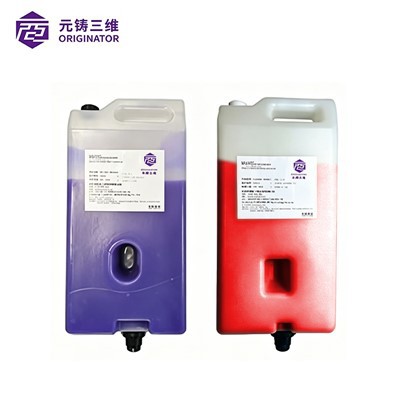
In summary, optimizing the print speed for 3D printing wax material requires a combination of proper printer settings, careful material selection, and effective post – printing processes. By understanding the unique properties of wax and making the right adjustments, users can achieve faster printing speeds without sacrificing the quality of the final product.
Jewelry 3D Scanner As a leading supplier of 3D printing wax material, we are dedicated to providing our customers with high – quality wax materials, technical support, and guidance on print speed optimization. If you are interested in learning more about our 3D printing wax materials or have any questions regarding print speed optimization, we encourage you to get in touch with us for procurement and further discussion. We believe that through our collaboration, we can help you achieve the best results in your 3D printing projects.
References
- "Handbook of 3D Printing: Technologies and Applications," edited by Ian Gibson, David W. Rosen, and Brent Stucker.
- "Additive Manufacturing Technologies: 3D Printing, Rapid Prototyping, and Direct Digital Manufacturing" by J. Petersen and D. Bourell.
- Industry reports from key 3D printing research organizations.
Hangzhou Originator 3D Technology Co., Ltd.
Hangzhou Originator 3D Technology Co., Ltd. is one of the most experienced 3d printing wax material manufacturers and suppliers in China. With abundant experience, we warmly welcome you to wholesale high quality 3d printing wax material made in China here from our factory. Contact us for more details.
Address: Room 403, Building 2, Block B, Heda Incubation Park,No. 452, 6th Avenue, Xiasha, Qiantang District,Hangzhou, Zhejiang, China
E-mail: Sales@originator3d.com
WebSite: https://www.originator3d.com/
