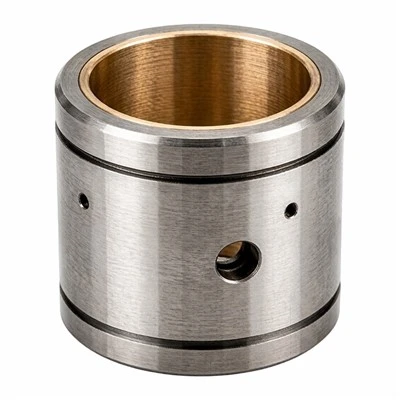
As a seasoned supplier of bimetal bushings, I’ve witnessed firsthand the critical importance of corrosion resistance in these components. Bimetal bushings, designed by combining two different metals with complementary properties, are widely used in various industrial applications, from automotive engines to heavy machinery. However, their exposure to harsh environments often leads to corrosion, which can significantly reduce their lifespan and performance. In this blog, I’ll share some practical strategies to enhance the corrosion resistance of bimetal bushings, based on my years of experience in the industry. Bimetal Bushings
Understanding the Corrosion Mechanisms in Bimetal Bushings
Before delving into the solutions, it’s essential to understand how corrosion occurs in bimetal bushings. Corrosion is an electrochemical process where metals react with their environment, typically in the presence of water and oxygen. In bimetal bushings, the difference in the electrochemical potential between the two metals can create a galvanic cell, accelerating the corrosion rate. For example, when a more reactive metal (anode) is in contact with a less reactive metal (cathode) in an electrolyte solution, the anode will corrode preferentially.
Another common form of corrosion in bimetal bushings is pitting corrosion, which occurs when small holes or pits form on the metal surface due to localized damage to the protective oxide layer. This type of corrosion can be particularly problematic as it can lead to sudden failure of the bushing.
Material Selection
One of the most effective ways to improve the corrosion resistance of bimetal bushings is through careful material selection. When choosing the metals for the bushing, it’s crucial to consider their corrosion resistance properties and their compatibility with each other.
- Stainless Steel Alloys: Stainless steel is a popular choice for bimetal bushings due to its excellent corrosion resistance. It contains chromium, which forms a passive oxide layer on the surface of the metal, protecting it from further oxidation. Different grades of stainless steel offer varying levels of corrosion resistance, so it’s important to select the appropriate grade based on the specific application requirements. For example, 316 stainless steel is highly resistant to corrosion in marine environments, making it suitable for applications in ships and offshore equipment.
- Copper Alloys: Copper alloys, such as bronze and brass, also have good corrosion resistance properties. Bronze, in particular, is known for its resistance to seawater corrosion and is often used in marine applications. Copper alloys can also be combined with other metals to enhance their mechanical properties and corrosion resistance.
- Galvanic Compatibility: When selecting the two metals for the bimetal bushing, it’s important to ensure that they have a similar electrochemical potential to minimize the galvanic corrosion. The galvanic series can be used as a guide to determine the compatibility of different metals. Metals that are close to each other in the galvanic series are less likely to form a galvanic cell and experience accelerated corrosion.
Surface Treatment
Surface treatment is another crucial step in improving the corrosion resistance of bimetal bushings. There are several surface treatment methods available, each with its own advantages and limitations.
- Plating: Plating involves depositing a thin layer of metal onto the surface of the bushing to provide a protective barrier against corrosion. Common plating materials include zinc, nickel, and chrome. Zinc plating is a cost – effective option that provides good corrosion resistance, especially in atmospheric environments. Nickel plating offers excellent corrosion resistance and can also improve the wear resistance of the bushing. Chrome plating, on the other hand, provides a hard and smooth surface that is highly resistant to corrosion and wear.
- Coating: Coating is a process of applying a protective layer of organic or inorganic material onto the surface of the bushing. Organic coatings, such as epoxy and polyurethane coatings, can provide good corrosion resistance and can be customized to meet specific requirements. Inorganic coatings, such as ceramic coatings, offer high – temperature resistance and excellent wear resistance in addition to corrosion protection.
- Passivation: Passivation is a chemical treatment process that removes free iron from the surface of the stainless steel bushing and forms a passive oxide layer. This layer helps to prevent corrosion by acting as a barrier between the metal and the environment. Passivation is a relatively simple and cost – effective way to improve the corrosion resistance of stainless steel bimetal bushings.
Design Optimization
The design of the bimetal bushing can also have a significant impact on its corrosion resistance. Here are some design considerations to keep in mind:
- Avoiding Crevices: Crevices can trap moisture and debris, creating an ideal environment for corrosion. When designing the bushing, it’s important to avoid sharp corners, gaps, and other features that can form crevices. Smooth and rounded surfaces are preferred to prevent the accumulation of corrosive substances.
- Proper Drainage: Ensuring proper drainage is essential to prevent the accumulation of water on the surface of the bushing. This can be achieved by incorporating drainage holes or channels in the design of the bushing.
- Sealing: Sealing the bushing can help to prevent the ingress of moisture and other corrosive substances. O – rings, gaskets, and other sealing elements can be used to create a tight seal between the bushing and the mating components.
Maintenance and Monitoring
Even with the best material selection, surface treatment, and design, regular maintenance and monitoring are still necessary to ensure the long – term corrosion resistance of bimetal bushings.
- Cleaning: Regular cleaning of the bushing can help to remove dirt, debris, and corrosive substances from the surface. Mild detergents and non – abrasive cleaning tools should be used to avoid damaging the protective surface layer.
- Inspection: Periodic inspection of the bushing can help to detect early signs of corrosion. Visual inspection, as well as non – destructive testing methods such as ultrasonic testing and magnetic particle testing, can be used to identify any corrosion or damage to the bushing.
- Lubrication: Proper lubrication can help to reduce friction and wear, as well as prevent corrosion by providing a protective film on the surface of the bushing. The type of lubricant used should be compatible with the materials of the bushing and the operating conditions.
Conclusion
Improving the corrosion resistance of bimetal bushings is a multi – faceted approach that involves careful material selection, surface treatment, design optimization, and regular maintenance and monitoring. By implementing these strategies, we can significantly extend the lifespan and performance of bimetal bushings in various industrial applications.
Bimetal Bushings As a bimetal bushing supplier, I’m committed to providing high – quality, corrosion – resistant products to meet the diverse needs of our customers. If you’re looking for reliable bimetal bushings or need more information on how to improve their corrosion resistance, I encourage you to contact us for a detailed discussion. We have a team of experts who can help you select the right materials and solutions for your specific application.
References
- Fontana, M. G., & Greene, N. D. (1967). Corrosion Engineering. McGraw – Hill.
- Uhlig, H. H., & Revie, R. W. (1985). Corrosion and Corrosion Control. Wiley – Interscience.
- Davis, J. R. (Ed.). (2001). Handbook of Corrosion Data. ASM International.
Qingzhou Baiyun Anti-friction Products Co., Ltd.
With abundant experience, we are one of the most professional bimetal bushings manufacturers and suppliers in China. Please rest assured to wholesale customized bimetal bushings at competitive price from our factory. Welcome to contact us for quotation.
Address: Linglongshan North Road (south of the railway bridge), Economic Development Zone, Qingzhou City, Weifang City, Shandong Province
E-mail: byantifriction@gmail.com
WebSite: https://www.baiyunbimetal.com/
