Flange nuts, especially hex flange nuts, are essential components in many industrial applications. Their design, including the thickness of the flange, can significantly impact their performance. As a supplier of hex flange nuts, I’ve had the privilege of witnessing firsthand how the flange thickness can influence various aspects of these nuts’ functionality. In this blog, I’ll delve into the effects of flange thickness on the performance of hex flange nuts, drawing on both industry knowledge and practical experience. Hex Flange Nut
1. Understanding Hex Flange Nuts
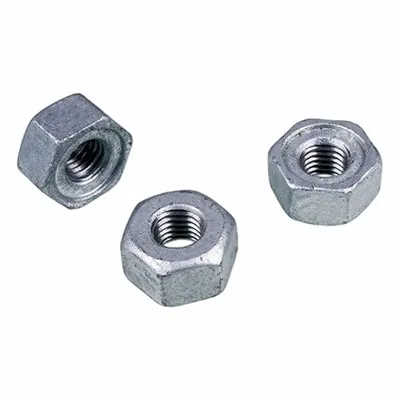
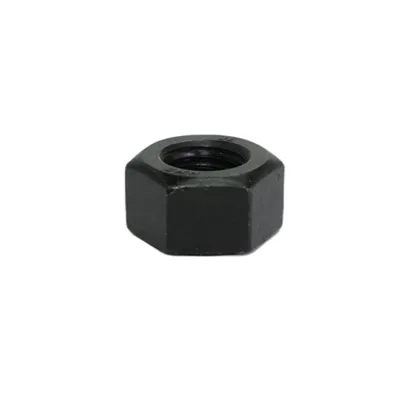
Before we explore the impact of flange thickness, it’s important to understand what hex flange nuts are. A hex flange nut is a type of nut with a broad flange at one end. The flange serves as an integrated washer, distributing the pressure over a wider area when the nut is tightened. This design feature provides several advantages, such as preventing the nut from loosening due to vibrations and reducing the likelihood of damage to the mating surface.
2. Effects on Load Distribution
One of the primary functions of the flange on a hex flange nut is to distribute the load evenly across the mating surface. When tightened, the nut applies a force perpendicular to the surface it’s in contact with. A thicker flange can spread this force over a larger area, reducing the pressure per unit area on the mating surface. This is particularly important in applications where the mating material is soft or prone to deformation.
For example, in automotive applications, hex flange nuts are used to secure components such as engine mounts and suspension parts. A thicker flange can help prevent the nut from digging into the softer metal of the engine block or suspension bracket, which could lead to loosening over time. In contrast, a thinner flange may concentrate the load in a smaller area, increasing the risk of surface damage and premature failure.
3. Impact on Resistance to Loosening
Resistance to loosening is a critical performance factor for hex flange nuts, especially in applications subject to vibrations. A thicker flange can enhance the nut’s resistance to loosening in several ways. First, the increased contact area between the flange and the mating surface provides more friction, which helps to keep the nut in place. Second, the greater stiffness of a thicker flange can better withstand the vibrations transmitted through the joint, reducing the likelihood of the nut rotating and loosening.
In machinery and equipment that operate under high – vibration conditions, such as construction machinery and industrial generators, the use of hex flange nuts with an appropriate flange thickness is crucial. A well – chosen flange thickness can ensure that the nuts remain securely fastened, reducing the risk of component failure and downtime.
4. Influence on Torque Requirements
The flange thickness can also affect the torque requirements for tightening hex flange nuts. As the flange thickness increases, the friction between the flange and the mating surface also increases. This means that more torque is required to achieve the same level of pre – load in the joint.
It’s important for engineers and technicians to be aware of this relationship when specifying torque values for hex flange nuts. Using the correct torque is essential for ensuring that the joint is properly tightened without over – tightening, which can lead to thread damage or component failure. In some cases, it may be necessary to adjust the torque values based on the flange thickness to achieve optimal performance.
5. Considerations for Corrosion Resistance
In addition to mechanical performance, the flange thickness can also have an impact on the corrosion resistance of hex flange nuts. A thicker flange provides more material for protective coatings to adhere to, which can enhance the nut’s resistance to corrosion.
For applications in harsh environments, such as marine or chemical processing plants, corrosion resistance is a top priority. Hex flange nuts with a thicker flange can be coated more effectively, providing a longer service life and reducing the need for frequent replacements.
6. Trade – offs and Design Optimization
While a thicker flange generally offers advantages in terms of load distribution, resistance to loosening, and corrosion resistance, there are also trade – offs to consider. Thicker flanges require more material, which increases the cost of production. Additionally, the increased weight of the nut may be a concern in applications where weight is a critical factor, such as aerospace or automotive racing.
Therefore, when designing hex flange nuts, engineers need to optimize the flange thickness based on the specific requirements of the application. This involves balancing the performance benefits of a thicker flange against the cost and weight considerations.
7. Our Role as a Supplier
As a supplier of hex flange nuts, we understand the importance of providing our customers with high – quality products that meet their specific needs. We offer a wide range of hex flange nuts with different flange thicknesses to accommodate various applications. Our team of experts can provide technical support and advice to help customers select the right flange thickness for their projects.
We also ensure that our manufacturing processes are of the highest standard, using advanced materials and techniques to produce hex flange nuts that are durable, reliable, and perform well under different conditions. Whether you’re in the automotive, construction, or any other industry, we can provide you with the hex flange nuts you need to ensure the success of your projects.
8. Conclusion
In conclusion, the flange thickness of hex flange nuts has a significant impact on their performance. It affects load distribution, resistance to loosening, torque requirements, and corrosion resistance. While there are trade – offs to consider, careful design optimization can ensure that the hex flange nuts provide the best possible performance for a given application.
Hexagon Socket Bolt If you’re in the market for high – quality hex flange nuts and need expert advice on selecting the right flange thickness for your project, we’re here to help. Our extensive experience and commitment to quality make us the ideal partner for your hex flange nut needs. Contact us today to start a discussion about your requirements and explore how we can meet them.
References
- Machinery’s Handbook, 31st Edition, Industrial Press Inc.
- ASME B18.2.2 – 2010, American National Standard for Square and Hex Bolts and Nuts
- DIN 6923, German Standard for Hexagon Flange Nuts, Prevailing Torque Type
Jiaxing Jinling Hardware Technolgy Joint Stock Co., Ltd.
As one of the most experienced hex flange nut manufacturers and suppliers in China, we also support customized service. Please feel free to buy bulk high-grade hex flange nut made in China here from our factory. For quotation and price list, contact us now.
Address: No.32, Shenjiadai, Xuyouche Village, Qinshan Subdistrict, Haiyan County, Zhejiang Province, China
E-mail: jlzxl@jinlingfstn.com
WebSite: https://www.china-nut-factory.com/
