Hey there, racing enthusiasts! I’m a supplier of racing seat belts, and I’ve been in this industry for quite a while. One of the most frequently asked questions I get is how racing seat belts interact with the car’s suspension during cornering. It’s a topic that’s super important for anyone looking to enhance their racing experience, so I thought I’d share my thoughts and insights. Racing Seat Belts
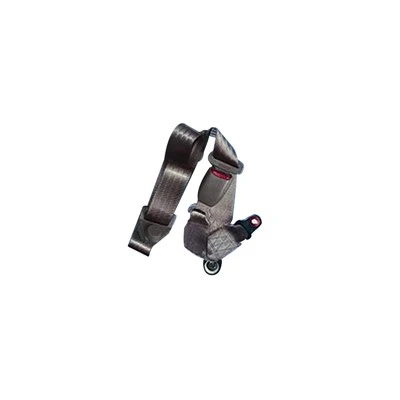
First off, let’s talk about what racing seat belts and the car’s suspension do individually. Racing seat belts are designed to keep the driver firmly in place. They prevent you from sliding around in your seat during high – speed maneuvers, sudden stops, and especially during cornering. When you’re taking a sharp turn, centrifugal force tries to push you outwards. That’s where a good set of racing seat belts comes in. They keep your body centered and aligned with the seat, ensuring that you have full control over the steering wheel and pedals.
On the other hand, the car’s suspension is responsible for keeping the wheels in contact with the road surface and providing a smooth ride. It absorbs shocks from bumps and uneven roads, and it also helps the car maintain stability during turns. The suspension system consists of springs, dampers (shocks), and other components that work together to adjust the height and angle of the car’s body based on the road conditions and driving dynamics.
So, how do these two systems interact during cornering? Well, when you enter a corner, the suspension starts to transfer weight. As the car leans into the turn, the weight shifts to the outside wheels. This causes the outside springs to compress and the inside springs to expand. The dampers work to control the rate at which this weight transfer occurs, preventing the car from rolling too much.
Now, here’s where the racing seat belts come in. As the car’s weight is being transferred during the corner, your body also experiences the same centrifugal force. If you weren’t wearing a seat belt, you’d start to slide towards the outside of the turn. But with a properly fastened racing seat belt, you’re held in place. This is crucial because it allows your body to follow the same movement as the car’s chassis. When your body and the car move as one unit, it’s easier to anticipate the car’s reactions and make precise steering and throttle inputs.
For example, let’s say you’re taking a high – speed right – hand corner. The car’s suspension will cause the left side of the vehicle to lower and the right side to rise. At the same time, your body will feel the force pushing you to the left. The racing seat belt holds you down, so you can stay focused on the turn. You can feel the subtle changes in the car’s handling through your body, as if you’re part of the vehicle itself. This connection between you and the car is what gives you that extra edge on the track.
Another important aspect is the stiffness of the seat belts. Different racing seat belts have different levels of stiffness. A stiffer seat belt will restrict your movement more effectively. This is great for high – performance racing, where even the slightest movement can affect your control of the car. However, it can also be a bit uncomfortable during long races or when driving on bumpy tracks. A softer seat belt, on the other hand, allows for a bit more flexibility. It still keeps you in place but gives you a bit more room to move, which can be more comfortable for some drivers.
The type of seat you’re using also plays a role in how the seat belts interact with the suspension. A well – contoured racing seat will work in harmony with the seat belts. It hugs your body, providing additional support and preventing you from sliding. When combined with a good set of seat belts, it creates a more stable and secure driving environment. For instance, a bucket seat with built – in side bolsters can keep your hips and shoulders in place, working in tandem with the seat belts to keep your entire body stable during cornering.
Now, let’s talk about how all these factors work together to improve lap times. When your body is held firmly in place by the seat belts, you can make more precise steering inputs. You don’t have to worry about your body shifting around, which allows you to focus on the racing line and take corners more smoothly. This translates into faster lap times on the track.
Also, a stable driver reduces the load on the suspension system. When you’re not moving around in your seat, the car’s suspension doesn’t have to work as hard to compensate for your body’s movements. This means the suspension can focus on its primary job of keeping the wheels in contact with the road and maintaining the car’s stability. As a result, the car can handle better, and you can push it to its limits without sacrificing control.
As a racing seat belt supplier, I’ve seen firsthand how the right seat belts can make a huge difference. I’ve had customers come back to me after upgrading their seat belts, raving about how much better their cars handle during cornering. They’ve noticed improvements in their lap times, and they feel more confident behind the wheel.
If you’re a racer or someone who’s serious about performance driving, investing in a good set of racing seat belts is a no – brainer. It’s not just about safety; it’s about enhancing your driving experience and getting the most out of your car.
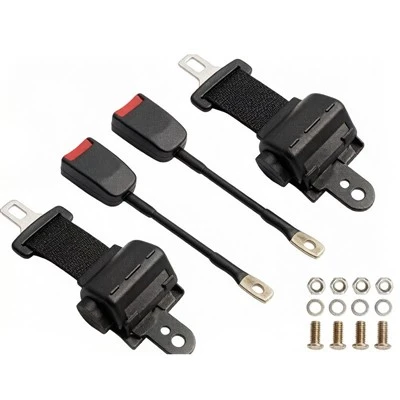
So, if you’re interested in learning more about our racing seat belts or want to discuss which type would be best for your specific needs, don’t hesitate to reach out. We’re here to help you find the perfect seat belts to take your racing to the next level. Whether you’re a professional racer or a weekend warrior, we’ve got the right products for you. Let’s chat about how we can improve your cornering performance and make your time on the track even more exciting!
Truck Seatbelt References
- Milliken, W. F., & Milliken, D. L. (1995). Race Car Vehicle Dynamics. Society of Automotive Engineers.
- Puhn, R. (2006). How to Make Your Car Handle. HPBooks.
Yangzhong Weian Mechanical and Electrical Co., Ltd.
As one of the most professional racing seat belts manufacturers and suppliers in China, we’re featured by quality products and good service. Please rest assured to wholesale racing seat belts in stock here and get quotation from our factory. Customized orders are welcome.
Address: Group 10, Xinhua Village, Xilaiqiao Town, Yangzhong City; West of The Bus Terminal On Yuanqu Avenue.
E-mail: hfsaml_2008@qq.com
WebSite: https://www.weianseatbelt.com/
