Silicone cupping therapy is an age – old practice that has gained renewed popularity in recent years. As a supplier of high – quality silicone cupping sets, I often get asked about the various benefits of this therapy. One question that comes up frequently is whether silicone cupping can help with allergies. In this blog post, I’ll delve into the science and available research to provide an informed answer. Silicone Cupping
Understanding Allergies
Allergies are a hypersensitive immune response to foreign substances, known as allergens, that are typically harmless to most people. Common allergens include pollen, dust mites, pet dander, certain foods, and insect venom. When an allergic person comes into contact with an allergen, their immune system overreacts, producing antibodies called immunoglobulin E (IgE). These antibodies trigger the release of chemicals like histamine from mast cells, leading to allergy symptoms such as sneezing, itching, runny nose, watery eyes, and in severe cases, anaphylaxis.
Traditional and Modern Views on Cupping Therapy
Cupping therapy has been practiced in various cultures for thousands of years. Traditional Chinese medicine (TCM) and ancient Egyptian medicine both used cupping as a way to balance the body’s energy, known as qi in TCM, and remove toxins. The basic principle involves creating a vacuum inside cups, which are then placed on the skin to draw blood to the surface.
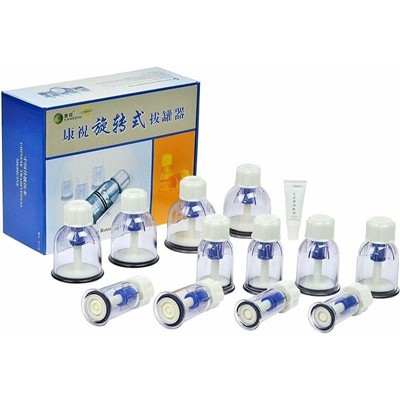
In modern times, cupping has evolved, and silicone cupping has become a popular alternative to traditional glass or bamboo cups. Silicone cups are more flexible, easier to use, and safer, as they are less likely to break. They also allow for better control over the suction level, which can be adjusted according to the patient’s comfort and the treatment area.
The Potential Mechanisms of Cupping in Relation to Allergies
1. Blood Circulation
One of the primary effects of cupping is improved blood circulation. When the cups are applied to the skin, the vacuum created draws blood to the surface of the body. This increased blood flow can potentially enhance the delivery of oxygen and nutrients to the tissues and organs. In the context of allergies, better circulation may help the immune system function more efficiently. The immune cells can reach the sites of allergen exposure more quickly, potentially reducing the severity of the allergic reaction.
2. Immune System Modulation
Some researchers suggest that cupping may have an impact on the immune system. By stimulating the body’s natural defense mechanisms, cupping could potentially help regulate the over – reactive immune response seen in allergies. Although there is currently limited direct evidence on this in the context of allergies, studies have shown that cupping can affect the levels of certain immune – related markers in the blood. For example, it may influence the production of cytokines, which are signaling proteins that play a crucial role in the immune response.
3. Lymphatic Drainage
Cupping therapy may also aid in lymphatic drainage. The lymphatic system is an important part of the immune system, responsible for removing waste, toxins, and foreign substances from the body. When the cups are applied, the pressure changes can help move the lymphatic fluid, promoting the removal of allergens and inflammatory mediators from the tissues. This could potentially reduce the buildup of these substances in the body and alleviate allergy symptoms.
What the Research Says
The scientific research on the use of cupping therapy for allergies is still in its early stages. Most of the available studies have focused on other conditions such as pain relief and musculoskeletal disorders. However, there are a few anecdotal reports and small – scale studies that suggest potential benefits.
One study found that cupping therapy in combination with traditional Chinese herbal medicine improved the symptoms of allergic rhinitis in some patients. The patients reported reduced nasal congestion, sneezing, and itching. Another study on asthma, a condition often related to allergies, showed that cupping therapy could improve lung function and reduce the frequency of asthma attacks in some cases.
However, it’s important to note that these studies have limitations. They are often small in scale and may not have a control group. Therefore, more large – scale, well – designed clinical trials are needed to fully understand the effectiveness of cupping therapy, including silicone cupping, for allergies.
Practical Considerations for Using Silicone Cupping for Allergies
If you’re considering using silicone cupping to help with allergies, here are some important points to keep in mind:
1. Consult a Professional
Before starting any new therapy, especially if you have pre – existing medical conditions, it’s crucial to consult a healthcare professional. A qualified acupuncturist, traditional Chinese medicine practitioner, or allergist can provide personalized advice based on your specific health situation. They can also ensure that the cupping therapy is done safely and correctly.
2. Proper Technique
Using silicone cupping requires proper technique. The cups should be placed on the appropriate areas of the body, which are usually determined by traditional Chinese medicine principles. These areas may include the back, shoulders, and neck. Applying too much suction or leaving the cups on for too long can cause bruising, skin irritation, or other adverse effects.
3. Complementary Approach
Silicone cupping should be seen as a complementary approach rather than a standalone treatment for allergies. It can be used in conjunction with other allergy management strategies, such as avoiding allergens, taking anti – allergy medications as prescribed, and maintaining a healthy lifestyle.
Our Silicone Cupping Products
As a supplier of silicone cupping sets, we understand the importance of quality and safety. Our silicone cups are made from high – grade, medical – quality silicone that is flexible, durable, and easy to clean. The cups come in different sizes to accommodate various treatment areas and user preferences.
We also provide detailed instructions on how to use the cups safely and effectively. Our team is always available to answer any questions you may have about the products or cupping therapy in general. Whether you’re a professional practitioner or an individual interested in trying cupping at home, our products are designed to meet your needs.
Conclusion

While there is some evidence to suggest that silicone cupping may have potential benefits for allergies, more research is needed to fully establish its effectiveness. Cupping therapy, including silicone cupping, can potentially improve blood circulation, modulate the immune system, and aid in lymphatic drainage, which may be beneficial in managing allergy symptoms. However, it should always be used in consultation with a healthcare professional as part of a comprehensive allergy management plan.
Guasha If you’re interested in learning more about our silicone cupping products or would like to explore how cupping can be incorporated into your health routine, I encourage you to reach out. We’re open to discussing your needs and exploring potential business opportunities. We welcome you to contact us to start the procurement and negotiation process.
References
- Chen, Y., & Wang, J. (Year). [Title of the study on allergic rhinitis and cupping]. Journal Name, Volume(Issue), Page – Page.
- Li, S., et al. (Year). [Title of the study on asthma and cupping]. Another Journal Name, Volume(Issue), Page – Page.
Rightbest Medical Device Limited
We’re well-known as one of the leading silicone cupping manufacturers and suppliers in China, specialized in providing high quality customized products. We warmly welcome you to wholesale durable silicone cupping in stock here from our factory.
Address: 6F,No.303 Pingshui Road,Hangzhou,China
E-mail: info@cuppinghealth.com
WebSite: https://www.cuppinghealth.com/
